
Premenstrual Syndrome (PMS): Why It Happens, What Symptoms Look Like, and What Actually Helps
Articles

Irritability, fatigue, mood swings, breast tenderness, bloating, or intense sugar cravings. Premenstrual syndrome (PMS) is one of the most common conditions linked to the menstrual cycle, and according to expert estimates it affects a significant share of women of reproductive age. For some women the symptoms are mild and barely noticeable in daily life; for others they can significantly affect mental wellbeing, work performance, and relationships. [1]
What will you learn from this article?
- What Is Premenstrual Syndrome (PMS)
- What Are the Most Common PMS Symptoms?
- Why PMS Happens and What Can Make It Worse
- What Role Do Hormones Play?
- What's the Difference Between PMS and PMDD?
- How to Ease PMS Symptoms Naturally
- Which Vitamins, Minerals, and Herbs May Help
- When to Seek Professional Help
- Key Takeaways
What Is Premenstrual Syndrome (PMS)
Premenstrual syndrome (PMS) refers to a set of recurring physical, psychological, and emotional symptoms that appear during the luteal phase of the menstrual cycle — typically anywhere from a few days to two weeks before menstruation starts. Most symptoms gradually ease once bleeding begins. [1]
PMS isn't simply “a normal part of having a period,” as it's sometimes mistakenly described — for some women it's mild, while for others it can significantly disrupt everyday functioning.
Current research suggests PMS doesn't occur because a woman has “abnormal” hormone levels. Estrogen and progesterone levels naturally fluctuate across the cycle in everyone. The difference lies mainly in how sensitively the brain and other tissues respond to those changes. [1] This heightened sensitivity can affect mood regulation, stress perception, sleep quality, appetite, fluid retention, and pain perception.
What Are the Most Common PMS Symptoms?
PMS symptoms vary a great deal from person to person. Some women notice mainly psychological changes, others struggle more with physical symptoms. Most experience a combination of several.
The most common psychological symptoms include:
- Irritability and mood changes
- Increased sensitivity
- Anxiety
- Tearfulness
- Difficulty concentrating
- Reduced energy
- Sleep disturbances
The psychological symptoms of PMS are mainly linked to how hormonal changes affect the neurotransmitters serotonin and GABA. We explain their role in more detail in the hormones section below. [2][3]
The most common physical symptoms include:
- Breast tenderness or pain
- Bloating
- Fluid retention
- Headaches
- Increased cravings for sweet or salty foods
- Muscle tension
- Back pain
- Cramping
Some women also notice a temporary increase in body weight, which is usually related mainly to fluid retention (due to a rise in the hormone aldosterone) rather than an increase in fat tissue.

Why PMS Happens and What Can Make It Worse
The exact mechanism behind PMS still isn't fully understood. Current evidence points to a combination of several factors:
- Hormonal changes during the cycle
- Nervous-system sensitivity and changes in neurotransmitters
- Genetic predisposition
- Chronic stress
- Lack of sleep
- An unbalanced diet and insufficient intake of certain nutrients
These factors interact with and can amplify one another. Chronic stress, for example, activates the hypothalamic-pituitary-adrenal (HPA) axis, which affects hormonal balance, sleep, and psychological resilience — which is why women under higher stress often report more pronounced irritability, anxiety, and sleep disturbances. [2]
What Role Do Hormones Play?
During the first half of the cycle, estrogen levels gradually rise, supporting the growth of the uterine lining and preparing the body for a possible pregnancy.
After ovulation, progesterone becomes dominant. If fertilization doesn't occur, both hormones drop sharply before menstruation. In women who are more sensitive to this shift, this phase can be when PMS symptoms set in.
What matters isn't only the amount of hormones present, but above all how the body reacts to the change in their levels. A woman with PMS doesn't necessarily have abnormal hormone levels — her nervous system may simply be more sensitive to their natural fluctuations. [1]
Serotonin and GABA
Hormonal changes that affect brain neurotransmitters responsible for mood, stress response, and sleep also play a significant role in PMS.
Serotonin: a neurotransmitter linked to mood stability, a sense of wellbeing, appetite regulation, and sleep quality. A drop in serotonergic activity may be connected to several psychological symptoms of PMS, particularly irritability, anxiety, or increased carbohydrate cravings. [3]
GABA: progesterone also influences the production of neuroactive metabolites that act on GABA receptors in the brain. GABA is the brain's main inhibitory neurotransmitter, helping regulate nervous-system activity and promote a state of calm. A more sensitive response in this system may be one reason some women experience greater anxiety, tension, or mood changes before their period. [3]
What's the Difference Between PMS and PMDD?
For some women, symptoms aren't just uncomfortable — they're intense enough to significantly disrupt everyday life. This may indicate premenstrual dysphoric disorder (PMDD), a more severe form of premenstrual symptoms characterized primarily by pronounced psychological symptoms such as: [1]
- Significant mood changes
- Strong irritability
- Anxiety
- Depressive feelings
- Problems in relationships or at work
According to guidance from the American College of Obstetricians and Gynecologists (ACOG), correctly diagnosing PMDD is important, since it requires a more targeted treatment approach. [1]
How to Ease PMS Symptoms Naturally
PMS symptoms can be meaningfully reduced by adjusting everyday habits. Current evidence suggests the biggest impact comes from a long-term combination of a balanced diet, regular physical activity, quality sleep, everyday stress management, and adequate intake of key nutrients. [4]
Easing PMS Symptoms Through Diet
Nutrition affects not only energy metabolism but also hormonal regulation, the nervous system, and inflammatory processes in the body.
Enough complex carbohydrates
Women often notice increased cravings for sweet or carbohydrate-rich foods during the luteal phase — one possible explanation is that the body is trying to increase the availability of tryptophan for serotonin production. [3] Complex carbohydrates (whole grains, legumes, vegetables, fruit, sweet potatoes, quality rice, or buckwheat) are a better choice, as they help maintain more stable blood sugar levels and provide fiber and minerals important for hormonal balance.
Enough protein
Protein is important for stable energy levels, neurotransmitter production, and maintaining muscle mass. Good sources include eggs, fish, quality meat, fermented dairy products, legumes, tofu, and tempeh. Adequate protein intake can also help reduce the intense sugar cravings that are common with PMS. Not sure where to start? Read our article on why eating protein at breakfast matters for satiety and stable blood sugar.
Omega-3 fatty acids
EPA and DHA omega-3 fatty acids are among the best-studied fats when it comes to regulating inflammatory processes. Menstrual discomfort is partly linked to increased production of prostaglandins, which contribute to the inflammatory response and pain perception. Omega-3s may help balance pro- and anti-inflammatory mediators. [5] Some clinical studies have shown that supplementation may help ease menstrual pain, breast tenderness, and psychological PMS symptoms. [5] You can also read our article on omega-3, a nutrient we really shouldn't overlook.

Movement as Natural Support for PMS
Regular physical activity is among the most recommended non-pharmacological strategies for easing PMS symptoms. It supports endorphin production, stress-response regulation, insulin sensitivity, sleep quality, and psychological resilience.
Studies show that regular aerobic activity can ease PMS's psychological symptoms in particular, such as mood changes, irritability, or fatigue. [6] It doesn't have to be intense training — brisk walking, running, cycling, swimming, yoga, and strength training can all have a positive effect.
Sleep and PMS
Quality sleep affects both hormonal balance and mental wellbeing, so a lack of it can intensify a range of PMS symptoms. Women who consistently sleep less than the recommended 7–9 hours may experience more pronounced PMS symptoms. [2] You can read more in our article Sleep as the foundation of health: how it affects the brain, mood, energy, and the immune system.
Stress and Its Effect on PMS
Managing stress is another key strategy for easing PMS. Simple but consistent techniques can help — including cutting back on coffee. Try adding some of the following to your daily routine:
- Meditation
- Breathing exercises
- Yoga
- Time in nature
- Relaxing activities
- Reducing chronic overload
We've written before about stress and its effect on overall health in our article Chronic stress and high cortisol: the impact on weight loss, sleep, and immunity.
Gut Microbiome and PMS
Gut bacteria influence how the body processes estrogen through the so-called estrobolome — a collection of bacterial genes involved in activating, breaking down, and recycling estrogen in the body. [7] Disruption of gut microbiome balance can therefore indirectly affect the hormonal and inflammatory processes linked to PMS. Adequate fiber, a varied plant-based diet, fermented foods, and limiting excess sugar and ultra-processed foods all help support it.

Which Vitamins, Minerals, and Herbs May Help
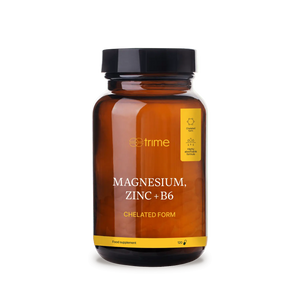
Magnesium
Magnesium is among the most frequently studied minerals in relation to PMS. It's essential for normal nervous-system function, normal muscle function, energy metabolism, and stress-response regulation.
Magnesium deficiency may be linked to increased muscle tension, fatigue, irritability, or headaches. Studies suggest supplementation may help particularly with fluid retention, mood changes, fatigue, breast tenderness, and cramping. [4]
For long-term use, well-absorbed organic forms are generally preferred — for example magnesium bisglycinate, often favored for its good tolerability and its bond to glycine, an amino acid involved in regulating the nervous system. If you'd like to learn more about the different forms of magnesium, read our article Types of magnesium: which is best and how they differ.
Vitamin B6
Vitamin B6 is among the best-studied vitamins in relation to PMS. It's involved in the production of neurotransmitters (serotonin, dopamine, GABA), in psychological function, and in hormone metabolism.
Systematic reviews suggest it may help particularly with the psychological symptoms of PMS — irritability, mood changes, anxiety, and depressive mood. [8]
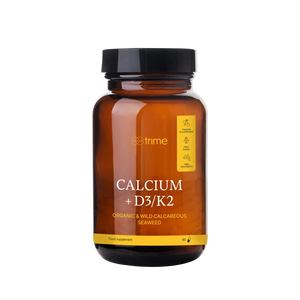
Calcium
Calcium influences nerve signaling and neurotransmitter metabolism. Research shows that adequate calcium intake may help ease mood changes, fluid retention, food cravings, and physical symptoms associated with PMS. [9]
Zinc
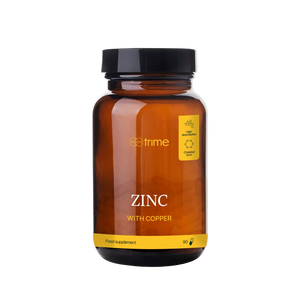
Mineral important for hundreds of enzymatic reactions in the body. It's involved in normal immune-system function, hormone metabolism, protecting cells from oxidative stress, and normal nervous-system function.
Some studies suggest a link between adequate zinc intake and reduced intensity of menstrual discomfort, particularly pain and inflammatory symptoms. [13] The greatest effect can be expected in women with low intake or increased needs; in the two weeks before menstruation, 15–30 mg of zinc bisglycinate per day may be used depending on symptoms.
Chasteberry (Vitex agnus-castus)
This herb is among the most commonly used botanicals for symptoms linked to the menstrual cycle. It has been used in traditional herbal medicine for centuries, primarily to support female hormonal balance and progesterone production.
Modern research shows its active compounds may influence the dopaminergic system and, through it, regulate the hormone prolactin — elevated levels of which may be linked in some women to breast tenderness, fluid retention, or mood changes during the luteal phase. [10]
Systematic reviews and clinical studies suggest chasteberry extract may help ease breast tenderness and pain, irritability, mood changes, fluid retention, and some physical PMS symptoms. [10][11] The effect isn't immediate, however — most studies evaluated use over several menstrual cycles.
Evening Primrose Oil
Evening primrose oil contains gamma-linolenic acid (GLA), which is involved in producing compounds that regulate inflammatory processes in the body. For PMS, it's most often used to support breast tenderness, fluid retention, and certain uncomfortable physical symptoms linked to hormonal changes. Its effect on overall PMS symptoms varies between women, however, and the scientific evidence remains limited. [12]
When to Seek Professional Help
Although premenstrual syndrome is very common, some symptoms may no longer fall within a typical cycle. It's a good idea to seek professional help if:
- Symptoms significantly disrupt everyday life
- You experience significant mood changes
- Depressive or anxious states appear
- Pain is very intense
- Symptoms persist even after menstruation
- Usual lifestyle adjustments bring no improvement
In these cases, it could be PMDD or another health issue that requires targeted diagnosis.
Key Takeaways
-
Premenstrual syndrome isn't just “a normal part of having a period”: PMS results from a combination of hormonal changes and individual nervous-system sensitivity.
-
PMS symptoms can be both psychological and physical: the most common include mood changes, irritability, fatigue, bloating, breast pain, or increased appetite.
-
Lifestyle is the foundation of PMS support: regular movement, quality sleep, a balanced diet, and stress management can significantly affect symptom intensity.
-
The best-studied supplements include magnesium, vitamin B6, calcium, and omega-3 fatty acids: these can be particularly useful for women with insufficient intake.
-
Chasteberry and saffron are interesting natural options: chasteberry has a long tradition of use for women's health issues, while saffron shows promising results particularly for psychological PMS symptoms.
-
Severe or limiting symptoms shouldn't be ignored: if PMS significantly affects your life, it could be PMDD or another issue requiring professional care.
Zdroje:
[1] ACOG. Management of Premenstrual Disorders: Clinical Practice Guideline No. 7. Obstetrics & Gynecology. 2023. https://www.ovid.com/jnls/greenjournal/...
[2] Halbreich U. The etiology, biology, and evolving pathology of premenstrual syndromes. Psychoneuroendocrinology. 2003. https://obgyn.onlinelibrary.wiley.com/...
[3] Rapkin AJ, Winer SA. Premenstrual syndrome and premenstrual dysphoric disorder: quality of life and burden of illness. Expert Review of Pharmacoeconomics & Outcomes Research. 2009. https://www.tandfonline.com/...
[4] Whelan AM, Jurgens TM, Naylor H. Herbs, vitamins and minerals in the treatment of premenstrual syndrome: a systematic review. Canadian Journal of Clinical Pharmacology. 2009. https://www.ncbi.nlm.nih.gov/books/NBK77752/
[5] Zafari M, et al. The effect of omega-3 fatty acids on premenstrual syndrome: a systematic review. https://obgyn.onlinelibrary.wiley.com/doi/10.1111/jog.15217
[6] Daley A. Exercise and premenstrual symptomatology: a comprehensive review. Journal of Women's Health. 2009. https://journals.sagepub.com/...
[7] Kwa M, et al. The intestinal microbiome and estrogen metabolism: a review. Journal of Women's Health. 2016. https://academic.oup.com/...
[8] Wyatt KM, et al. Efficacy of vitamin B-6 in the treatment of premenstrual syndrome: systematic review. BMJ. 1999. https://www.sciencedirect.com/...
[9] Thys-Jacobs S, et al. Calcium supplementation in premenstrual syndrome. American Journal of Obstetrics and Gynecology. 1998. https://www.sciencedirect.com/...
[10] van Die MD, Burger HG, Teede HJ, Bone KM. Vitex agnus-castus extracts for female reproductive disorders: a systematic review. Planta Medica. 2013. https://www.thieme-connect.com/...
[11] Verkaik S, et al. The effect of Vitex agnus-castus on premenstrual syndrome: systematic review and meta-analysis. 2017. https://www.researchgate.net/...
[12] Budeiri D, Li Wan Po A, Dornan JC. Is evening primrose oil of value in the treatment of premenstrual syndrome? Control Clin Trials. 1996;17(1):60–68. https://www.sciencedirect.com/...
[13] Ziaei S, et al. The effect of zinc supplementation on menstrual symptoms. https://link.springer.com/...


