

Since 2026, polycystic ovary syndrome (PCOS) has had a new official name: PMOS. The new name reflects that this is not just an ovarian disorder, but a complex hormonal and metabolic condition. It affects about 8–13% of women of reproductive age, and in many of them it goes unrecognised. In this article, you will learn what PMOS (PCOS) means, what its symptoms and causes are, and what current research shows really helps, from diet changes to food supplements and natural approaches.
What will you learn from this article?
- PMOS (PCOS): why the new name?
- What is PMOS (PCOS)?
- What causes PMOS (PCOS)?
- What are the symptoms of PMOS (PCOS)?
- How does PMOS affect long-term health?
- How to manage PMOS (PCOS) naturally?
- Food supplements being studied in PMOS (PCOS)
- When to see a doctor
- Key takeaways
PMOS (PCOS): why the new name?
An ovarian disorder that was known for decades as polycystic ovary syndrome (PCOS) has had a new official name since May 2026: polyendocrine metabolic ovarian syndrome (PMOS). The change came from an international expert consensus and aims to better capture the complex nature of the condition. It does not affect only the ovaries, but also involves hormonal and metabolic changes. [1]
Although the name PCOS is still used in professional and everyday language, the new name PMOS is gradually being adopted. That is why we use both names in this article. According to international estimates, PMOS affects about 1 in 8 women of reproductive age, and a large share of cases goes unrecognised. [3]

What is PMOS (PCOS)?
PMOS is a hormonal and metabolic disorder in which the ovaries produce too much of the male sex hormones, androgens [2]. This disrupts ovulation and leads to an irregular or absent menstrual cycle. PMOS is therefore the most common cause of anovulatory infertility in women [3].
How PMOS (PCOS) is diagnosed
According to international guidelines, the diagnosis is made if a woman meets at least two of the following three criteria [3]:
- irregular or absent ovulation,
- clinical or laboratory signs of raised androgens (e.g. acne, excessive hair growth, raised blood testosterone),
- multiple immature follicles on the ovaries seen on ultrasound.
The assessment usually includes a blood test for hormone levels (LH, FSH, testosterone, AMH), ruling out other causes (thyroid disorders, raised prolactin) and an ultrasound of the ovaries [9].
Types of PMOS
Experts distinguish four PMOS phenotypes, depending on which of the three criteria a woman meets [9]:
- Phenotype A: raised androgens, anovulation and a typical ultrasound finding. The most severe form, with the highest metabolic risk.
- Phenotype B: raised androgens and anovulation, without a typical ultrasound finding.
- Phenotype C: raised androgens and a typical ultrasound finding, with regular ovulation.
- Phenotype D: anovulation and a typical ultrasound finding, without raised androgens. Usually the mildest metabolic profile.

What causes PMOS (PCOS)?
- Insulin resistance. About 50–70% of women with PMOS have insulin resistance beyond what their BMI would explain [4]. High insulin levels stimulate the ovaries to overproduce androgens.
- Genetic predisposition. PMOS often runs in families. According to a study of the mothers and sisters of women with PMOS, about a quarter of their mothers and a third of their sisters have the syndrome [11], and twin studies estimate its heritability at up to 70% [12].
- Hormonal imbalance. A raised level of luteinising hormone (LH) relative to FSH affects egg maturation and cycle regularity.
- Environment and lifestyle. Excess weight, chronic stress and lack of exercise can further worsen insulin resistance and PMOS symptoms.

What are the symptoms of PMOS (PCOS)?
- irregular or absent periods,
- acne and oilier skin,
- excessive hair growth on the face, chest or abdomen (hirsutism),
- thinning hair on the scalp,
- weight gain or difficulty losing weight,
- darker skin in the armpits or on the neck,
- difficulty getting pregnant.
Not every woman with PMOS has all the symptoms. Sometimes the syndrome shows only as an irregular cycle, sometimes as a combination of metabolic and skin problems.
Psychological symptoms of PMOS
PMOS does not affect only the "physical" body. According to international data, women with this diagnosis have a higher risk of anxiety, depression and a distorted body image, partly because of visible symptoms such as acne or excessive hair growth [3]. Regular mental health screening is therefore part of recommended care, and it is worth talking openly with your doctor about these difficulties.

How does PMOS affect long-term health?
PMOS is not just a fertility issue. It is linked to a higher risk of prediabetes and type 2 diabetes, high blood pressure, raised cholesterol, anxiety and depression [3], and it is also a risk factor for metabolic syndrome [5]. This is another reason why the new name puts the emphasis on the metabolic side of the syndrome, not just on ovarian function.
How to manage PMOS (PCOS) naturally?
Alongside standard medical care, it is important to focus on three pillars that affect the syndrome most: insulin resistance, chronic inflammation and hormonal imbalance. These are not a replacement for treatment recommended by your doctor, but supportive habits that can ease symptoms.
Diet: the basis of a natural approach to PMOS is a diet with a low glycaemic index and enough protein, fibre and healthy fats, which stabilises blood sugar and supports insulin sensitivity [3]. Good choices include wholegrains, pulses, vegetables, lower-sugar fruit, fish rich in omega-3 fatty acids, and nuts. On the other hand, it is wise to limit ultra-processed foods, sugary drinks and a high intake of saturated fats, which further worsen insulin resistance and inflammation.
Insulin resistance: a lower-glycaemic diet and regular exercise play a key role. Among nutrients, chromium is mentioned in this context, as it contributes to the maintenance of normal blood glucose levels [6], and myo-inositol is also being studied [5].
Chronic inflammation: PMOS is often linked to mild chronic inflammation, meaning long-term raised levels of inflammatory markers (e.g. CRP), which further worsens insulin resistance [10]. An anti-inflammatory effect comes mainly from a diet rich in vegetables, fruit, fibre and omega-3 fatty acids. Together with regular exercise and enough sleep, it helps lower inflammatory markers. You can read more about the anti-inflammatory effect of omega-3 in our article Discover Omega-3 Cod Liver Oil.
Hormonal imbalance: natural approaches rely mainly on lifestyle changes (sleep, stress management, regular exercise) and targeted food supplements. For herbal products (e.g. chasteberry, vitex), the scientific evidence is still limited and inconsistent, so always discuss their use with your doctor first, especially in combination with other medicines.

PMOS and weight loss: how to lose weight with polycystic ovary syndrome
Excess weight worsens PMOS symptoms, because fat tissue further deepens insulin resistance. Losing weight is also harder with PMOS than for women without the syndrome, as the disrupted metabolism slows fat burning. However, international guidelines state that even a modest weight loss of 5–10% can restore ovulation and improve the hormonal profile [3].
What helps with weight loss in PMOS:
- a lower-glycaemic diet with enough protein and fibre, which slows the rise in blood sugar,
- strength training 2–3 times a week, which improves insulin sensitivity independently of weight loss,
- regular, sufficient sleep, as lack of sleep worsens insulin resistance,
- stress management, as long-term raised cortisol promotes fat storage around the abdomen.
If you want to know more about how the stress hormone works, read our articles Cortisol: Its Role in the Body and Adrenal Exhaustion and Chronic stress and its impact on weight loss, sleep, and immunity.
Food supplements being studied in PMOS (PCOS)
Myo-inositol: Inositol is a substance similar to B vitamins that occurs naturally in the body. The most studied form is myo-inositol, often combined with d-chiro-inositol. A meta-analysis in BJOG [5] looked at the effect over 3 to 6 months of regular use. It found that inositol significantly improves ovulation rates and increases the frequency of menstrual cycles compared with placebo. However, it is wise to talk to your gynaecologist before taking inositol for PMOS, especially if you take other medicines or supplements. If you are planning a pregnancy, a combination with folic acid is recommended. You can also read our article Planning a baby? Why prenatal vitamins are the first step to a healthy pregnancy.
Chromium: Contributes to normal macronutrient metabolism and to the maintenance of normal blood glucose levels [6].
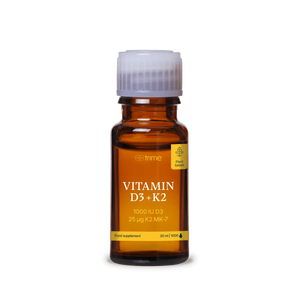
Vitamin D: Vitamin D deficiency is common in women with PMOS, and vitamin D contributes to the normal function of the immune system [7]. A direct effect on PMOS has not yet been clearly proven, and this is an area of ongoing research. Read also our guide All about vitamin D or our article Vitamin D: Proper Dosage, Benefits, and What Affects Your Levels.
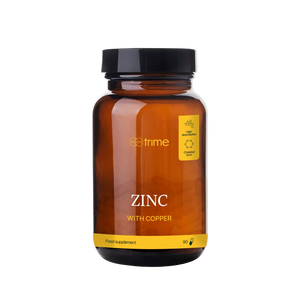
Zinc: This mineral contributes to normal fertility and reproduction [8]. You can read more about zinc in our article Zinc and its Diverse Functions.

When to see a doctor
We recommend seeing a doctor if:
- your period has been absent for more than three months (outside pregnancy),
- your cycle is consistently shorter than 21 or longer than 35 days,
- your acne or hair growth suddenly gets worse,
- you have been trying to get pregnant for more than a year (or 6 months if you are over 35) without success,
- you suspect PMOS and want to discuss treatment options.
A doctor may prescribe combined hormonal contraception to regulate the cycle and ease the symptoms of raised androgens (acne, hair growth), or metformin to improve insulin sensitivity. For more pronounced hirsutism or acne, anti-androgen medicines are sometimes added, and for women trying to conceive, medicines to induce ovulation [3]. We always recommend also focusing on diet and lifestyle.
Key takeaways
The new name better captures the nature of the condition: since May 2026, the syndrome has officially been called PMOS, polyendocrine metabolic ovarian syndrome.
PMOS is more common than you might think: it affects about 8–13% of women of reproductive age, and many cases remain undiagnosed.
Insulin resistance plays a major role: it occurs in about 50–70% of women with PMOS and may be linked to an irregular cycle and other symptoms of the syndrome.
Lifestyle can influence the course of PMOS: a well-balanced diet, regular exercise and, depending on your situation, targeted supplementation can support insulin sensitivity and cycle regularity.
Even a relatively small weight change can help: in women with excess weight, losing about 5–10% of body weight can improve metabolic markers and help restore ovulation in some women.
Sources:
[1] Society for Endocrinology – Polyendocrine Metabolic Ovarian Syndrome (PMOS) is the new name for PCOS, 12 May 2026. https://www.endocrinology.org/news/item/23445/polyendocrine-metabolic-ovarian-syndrome-(pmos)-is-the-new-name-for-pcos
[2] Merck Manual – Polyendocrine Metabolic Ovarian Syndrome (PMOS). https://www.merckmanuals.com/professional/gynecology-and-obstetrics/abnormal-uterine-bleeding/polyendocrine-metabolic-ovarian-syndrome-pmos
[3] Teede H. et al. Recommendations from the 2023 International Evidence-based Guideline for the Assessment and Management of Polycystic Ovary Syndrome. Human Reproduction, 2023;38(9):1655–1679. https://academic.oup.com/humrep/article/38/9/1655/7241786
[4] Tabassum R. et al. Prevalence and clinical profile of insulin resistance in young women of polycystic ovary syndrome. Pakistan Journal of Medical Sciences. https://pjms.com.pk/index.php/pjms/article/download/3180/1360
[5] Pundir J. et al. Inositol treatment of anovulation in women with polycystic ovary syndrome: a meta-analysis of randomised trials. BJOG, 2018;125(3):299–308. https://pubmed.ncbi.nlm.nih.gov/28544572/
[6] EFSA Scientific Opinion – chromium and macronutrient metabolism. EFSA Journal 2010;8(10):1732. https://efsa.europa.eu/en/efsajournal/pub/1732
[7] EFSA Scientific Opinion – vitamin D and normal function of the immune system. EFSA Journal 2010;8(2):1468. https://efsa.europa.eu/en/efsajournal/pub/1468
[8] EFSA Scientific Opinion – zinc and fertility/reproduction. EFSA Journal 2009;7(9):1229. https://efsa.europa.eu/en/efsajournal/pub/1229
[9] Fahs D. et al. Polycystic Ovary Syndrome: Pathophysiology and Controversies in Diagnosis. Diagnostics, 2023;13(9):1559. https://www.ncbi.nlm.nih.gov/pmc/articles/PMC10177792
[10] Review: Chronic Low-Grade Inflammation in the Pathogenesis of PCOS. https://www.ncbi.nlm.nih.gov/pmc/articles/PMC8038770/
[11] Kahsar-Miller MD. et al. Prevalence of polycystic ovary syndrome (PCOS) in first-degree relatives of patients with PCOS. Fertility and Sterility, 2001;75(1):53–58. https://www.sciencedirect.com/science/article/pii/S0015028200016629
[12] Vink JM. et al. Heritability of polycystic ovary syndrome in a Dutch twin-family study. Journal of Clinical Endocrinology & Metabolism, 2006;91(6):2100–2104. https://doi.org/10.1210/jc.2005-1494


