

Winter represents a period of increased stress for the organism. Lack of sunlight, lower intake of fresh food, higher incidence of infections, and more time spent indoors can weaken the immune system and contribute to fatigue. In spring, many people therefore experience exhaustion, reduced vitality, and more frequent colds. Properly adjusted nutrition, sufficient movement, and targeted supplementation can help restore energy, support immunity, and prepare the body for the new season.
What will you learn in this article?
- Why the body is weakened after winter
- Nutrition as the foundation of regeneration
- Microbiome and immunity
- Key supplements for a spring restart
- Movement, sleep, light
- Takeaways from the article
Why the body is weakened after winter
During the winter months, the organism must cope with several factors that can weaken its natural defenses. These include primarily a lack of sunlight, a higher incidence of respiratory infections, and a more frequent deficiency of certain micronutrients due to an insufficiently varied diet.
One of the most significant factors is lower production of vitamin D, which is produced in the body primarily thanks to sunlight. In winter, its levels drop in most people, which can negatively affect the immune system, energy, and mood. This is also why we recommend regular vitamin D supplementation, especially during the winter period.
The weakening of the organism is also contributed to by a lower intake of fresh food and higher consumption of energy-rich but nutritionally poorer meals. The result can be a lack of certain vitamins, minerals, and antioxidants that are crucial for the proper functioning of the immune system.
Nutrition as the foundation of regeneration
The foundation of body regeneration after winter is a balanced and nutritionally rich diet. Sufficient vitamins, minerals, and bioactive substances help support the immune system, metabolism, and overall vitality.
For example, vitamin C plays a very important role, as it supports the function of white blood cells and contributes to the protection of cells from oxidative stress. Good sources include citrus fruits, wild berries, peppers, broccoli, or sea buckthorn.
Equally important are minerals such as zinc or iron, which are involved in the proper functioning of immune cells and energy metabolism. Their deficiency can lead to fatigue, weakened immunity, or impaired body regeneration.
It is also important to focus on consuming real, minimally industrially processed foods. In their natural form, these usually contain a complex of nutrients, fiber, and antioxidants. Conversely, highly processed foods often contain excess salt, sugar, or refined fats and fewer nutrients that the organism needs for regeneration.
Including a varied diet with plenty of vegetables, fruit, legumes, nuts, and quality proteins represents one of the most effective ways to provide the body with the necessary nutrients after winter.
An interesting perspective on spring nutrition is also offered by traditional Chinese medicine. According to its principles, spring is the season of wood, energy renewal, and support for the liver, which is associated with detoxification processes and the flow of vital energy in the body. It is therefore recommended to have a lighter diet rich in fresh vegetables, young sprouts (radish, broccoli), dark leafy greens with a bitter taste such as arugula, or sour flavors that can support digestion and the body's natural cleansing processes.

With the arrival of spring, various detox diets and cleansing treatments promising quick removal of toxins from the body often appear. In reality, however, the human organism possesses very effective natural detoxification mechanisms, primarily managed by the liver, kidneys, intestines, and lymphatic system.
Drastic detox diets based on significant calorie restriction or a one-sided diet can, on the contrary, lead to a deficiency of important nutrients, fatigue, and weakening of the body. After the winter period, when the intake of certain vitamins and minerals may be lower, the body often needs nourishment and support for its natural recovery processes instead.
Instead of extreme cleansing regimens, it is therefore more appropriate to focus on a varied diet. It is precisely sufficient nutrients, hydration, movement, and quality sleep that support the body's natural detoxification processes much more effectively than short-term restrictive cures.
Microbiome and Immunity
The gut microbiome plays a significant role in the immune system and energy support. A large portion of immune cells is located in the intestines, and the balance of gut bacteria thus fundamentally affects the body's defenses.
Probiotic foods, such as fermented dairy products or fermented vegetables (e.g., kimchi, sauerkraut, etc.), can help support a healthy gut microbiome composition.
Furthermore, studies suggest that the combination of probiotics and vitamin D can positively influence the gut microbiota and improve certain parameters of physical performance and body recovery.
Supporting the gut microbiome thus represents an important step in restoring vitality after the winter period.
Key Supplements for a Spring Restart
After the winter period, the body may be exhausted by more frequent infections, lower intake of fresh food, and a lack of sunlight. That is why spring is an important time for targeted supplementation of certain nutrients that support the immune system, recovery, and overall vitality. However, targeted supplementation should always complement a varied and balanced diet, not replace it. In combination with sufficient movement, quality sleep, and exposure to daylight, high-quality dietary supplements can be an important step toward strengthening the body after the winter season.
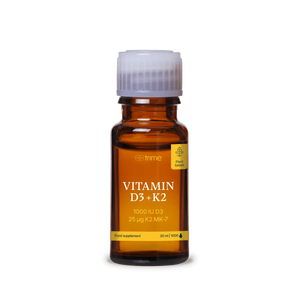
Vitamin D
In the winter months, its levels often drop due to a lack of sunlight. Vitamin D is one of the important regulators of the immune system and also contributes to the health of bones, muscles, and the overall resilience of the organism. Studies also suggest that its supplementation can reduce the risk of certain autoimmune diseases by approximately 22%.
Omega-3 Fatty Acids
Omega-3s help regulate inflammatory processes in the body and support the health of the heart, brain, and immune system. After a period of increased stress, they can contribute to better recovery of the organism and support its balance.
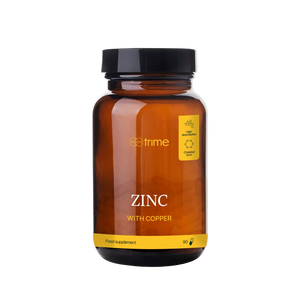
Zinc
Zinc is important for the proper function of immune cells, tissue healing, and cell protection against oxidative stress. Its sufficient intake can help the body better cope with infections and support the restoration of strength after winter.
Vitamin C - Acerola
After the winter period, when the organism may be weakened, sufficient intake of vitamin C can contribute to the restoration of vitality and defenses.
A very rich source of vitamin C is acerola, which is among the fruits with the highest content of this vitamin. In addition to vitamin C itself, it also contains polyphenols and other bioactive substances that can act synergistically and support its biological effectiveness in the organism. Thanks to this, acerola is often used as a natural source of vitamin C in dietary supplements.

Probiotics and Prebiotics
The health of the gut microbiome plays a key role in the immune system. Ideally, probiotics should be supplemented primarily through the diet, for example, by consuming fermented foods such as sauerkraut, kimchi, kefir, or yogurt. These foods naturally contain beneficial microorganisms that can support the balance of the gut microbiota.
The synergy with prebiotics, i.e., fiber, which serves as food for beneficial gut bacteria, is also important. Prebiotics are found, for example, in onions, garlic, leeks, chicory, Jerusalem artichokes, asparagus, bananas, or whole grains. The combination of probiotics and prebiotics helps create an environment in which beneficial bacteria can grow better and support long-term gut health.
Probiotic supplements can be especially useful during periods of increased stress, such as after frequent infections, stress, or antibiotic use. Supporting the microbiome can thus contribute not only to better digestion but also to the overall resilience of the organism.

Movement, Sleep, Light
In addition to nutrition, lifestyle also plays a crucial role. Regular movement supports immune function, improves mood, and helps regulate hormonal balance.
Quality sleep is also essential. During sleep, the body undergoes regeneration and activates immune mechanisms. Conversely, a lack of sleep can weaken defenses and increase the risk of infections.
Spending time outdoors in daylight is also very beneficial, as it supports serotonin production, improves mood, and helps regulate the circadian rhythm.

Key Takeaways from the Article
- After winter, the body is weakened mainly due to a lack of sun, lower nutrient intake, and more frequent infections.
- The foundation of regeneration is a varied diet made of minimally processed foods rich in vitamins and minerals.
- The gut microbiome plays an important role in immunity – the diversity of the gut microbiome is supported by fermented foods and fiber.
- Some nutrients may be beneficial to supplement – vitamin D, omega-3, zinc, or vitamin C.
- Regeneration is also supported by movement, quality sleep, and exposure to daily light.


