

The winter season brings specific challenges for the human body. Shorter days, a lack of sunlight, cold weather, and a higher incidence of respiratory illnesses place high demands on our immunity, energy, and mental well-being. While a balanced diet and a healthy lifestyle are the absolute foundation, targeted supplementation can provide important support during this demanding period. In this article, you will learn which dietary supplements are worth including in your everyday routine to support the body’s resilience during the winter season.
What will you learn in this article?
- Vitamin D: Sunshine in a tablet
- Vitamin C
- Omega-3 fatty acids
- Zinc
- A high-quality multivitamin
- Supplementation as part of a holistic approach
- What to take away from this article?
Vitamin D: Sunshine in a tablet
Vitamin D, often referred to as the “sunshine vitamin”, is undoubtedly the number one supplement for the winter months.
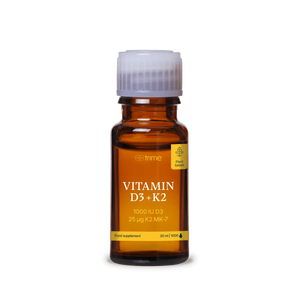
Why especially in winter? Our body produces vitamin D primarily through synthesis in the skin after exposure to UVB radiation from sunlight. In latitudes such as the Czech Republic, from approximately October to April, the angle of the sun’s rays is not sufficient for this synthesis to effectively occur. Stores built up during summer are quickly depleted, and the vast majority of the population enters the winter months with a deficit. It is recommended to take vitamin D in combination with vitamin K2, as both vitamins work synergistically in calcium metabolism.

Key benefits:
-
Immune support: Vitamin D plays a key role in modulating both innate and adaptive immune responses. It helps activate immune cells (T-lymphocytes) in the fight against pathogens.
-
Bone health: It is essential for proper absorption of calcium and phosphorus, helping maintain healthy bones and teeth and preventing osteoporosis.
-
Mental well-being: Low vitamin D levels are associated with worsened mood and seasonal affective disorder (SAD), which is typical in winter.

For adults during the winter months (October–April), the preventive dose usually ranges between 1000–2000 IU (International Units) daily. For people with a confirmed deficiency, overweight individuals, or older adults, higher doses may be needed and should be determined based on blood test results.
Vitamin C
Vitamin C is a powerful antioxidant and one of the best-known vitamins for supporting the body’s defenses. For prevention, it’s best to choose natural vitamin C, for example in the form of acerola. Trime Acerola is a whole-food ingredient in its natural form, gently processed only by lyophilization (freeze-drying).
Why especially in winter? During periods with a higher incidence of viral infections, our immune system is constantly on alert. While fighting an infection, so-called oxidative stress is created in the body. Vitamin C, as a strong antioxidant, helps neutralize this stress and supports the function of white blood cells. Its consumption also increases sharply during illness.

Benefits and advantages of natural vitamin C:
-
Strengthening immunity: Supports the production and function of white blood cells and increases resistance to infections.
-
Reduced fatigue: Contributes to reducing tiredness and exhaustion, which is a common issue in winter months without sufficient sunlight.
-
Why Acerola? Unlike synthetic ascorbic acid, acerola (tropical cherry) extract contains a complex of additional compounds, especially bioflavonoids. These compounds increase the bioavailability and utilization of vitamin C itself and act synergistically (supporting each other’s effects).

Omega-3 fatty acids
Omega-3 (especially EPA and DHA) are essential fats that our body can produce only to a very limited extent, so it’s a good idea to ensure adequate intake through diet and high-quality supplements.
Why especially in winter? Winter is not only a burden for immunity, but also for our mental well-being and skin.
-
Mood: Omega-3s (especially EPA) are key for proper brain function and mood regulation. They may play a positive role in preventing and alleviating symptoms of seasonal affective disorder (SAD).
-
Inflammation: They have strong anti-inflammatory effects that benefit overall health, including immune regulation.
-
Skin hydration: Dry air from heated indoor spaces severely dries out the skin. Omega-3 fatty acids are a key component of cell membranes throughout the body, including skin cells. They help build and strengthen the skin’s natural lipid barrier, supporting barrier integrity and promoting hydration from within. As a result, omega-3s contribute to more resilient, more supple skin that is less prone to dryness, cracking, and itching.

Just like with vitamin D, omega-3 fatty acid dosing can also be adjusted based on measured levels in the body. Omega-3 Index test can provide a comprehensive overview of your body’s fatty acid profile and helps set dosing precisely according to individual needs.

Zinc
Zinc is an essential trace element involved in hundreds of enzymatic reactions in the body, many of which are directly linked to immunity.
Why especially in winter? Zinc contributes to the development and activation of immune cells and supports the body’s immune response. Zinc is also essential for maintaining the integrity of mucosal barriers, which represent the first line of defense against pathogens. A deficiency can lead to a reduced immune response and a higher susceptibility to infections, which is especially risky during the winter months.
-
Acute immune response: Zinc is essential for the development and proper function of immune cells, including T-lymphocytes and NK cells (Natural Killer cells).
-
Prevention and duration of colds: Studies show that adequate zinc levels (and starting it early at the first symptoms) may shorten the duration of the common cold.
-
Antioxidant protection: Acts as an antioxidant and helps protect cells from damage.

When choosing zinc, opt for well-absorbed forms such as zinc bisglycinate. For better tolerance and to prevent stomach upset, we recommend taking zinc with food. During an acute infection (viral illness, cold), intake can be increased short-term (for 3–7 days) up to 40 mg per day, ideally split into several doses. In Trime Zinc Chelate, we also combine zinc with copper, which helps maintain the natural balance of these two minerals in the body.

A high-quality multivitamin
In winter, our diet is naturally poorer in fresh, local fruits and vegetables. Adding a high-quality multivitamin can therefore serve as “nutritional insurance” to help compensate for gaps in the diet.
Why especially in winter?
-
Filling micronutrient gaps: Winter is a time when we naturally have less variety of fresh foods. A multivitamin helps ensure the body isn’t missing basic nutrients needed to maintain health.
-
Supporting energy metabolism: Especially B vitamins, which multivitamins contain, are involved in energy metabolism — they are key for converting food into energy. This helps fight winter fatigue as well.
-
Comprehensive support: Provides a broad spectrum of compounds (for example selenium, zinc, vitamin E) that work together to support the immune system, nervous system, and protect against oxidative stress.

Supplementation as part of a holistic approach
It’s important to emphasize that dietary supplements do not replace a varied, high-quality diet, enough sleep, and regular movement. They should be understood as a targeted supportive pillar that helps the body better cope with the specific demands of the winter season. Investing in high-quality supplements such as vitamin D, vitamin C, omega-3 fatty acids, and a multivitamin/multimineral complex can significantly contribute to maintaining robust health, supporting energy, and sustaining a good mood even during the coldest months of the year.
What to take away from this article?
-
Winter places higher demands on us: Less sun, cold weather, and a higher viral burden call for extra support for immunity, energy, and mental well-being.
-
Vitamin D is the foundation: Due to lack of sun, supplementing vitamin D in winter is an absolute necessity for most people in our conditions.
-
Vitamin C: Demand for vitamin C increases during viral seasons. Natural vitamin C in the form of freeze-dried acerola is a whole-food option with a complex of other bioactive compounds that act synergistically and increase the bioavailability of vitamin C itself.
-
Omega-3: Influence inflammatory responses in the body, support mental well-being, and help protect the skin from drying out.
-
Zinc: Key for a fast and effective immune response against pathogens; early use can shorten the duration of cold symptoms.
-
A high-quality multivitamin: Helps fill nutritional gaps in a diet that is often poorer in fresh foods during winter.
-
Supplementation is support, not the foundation: Dietary supplements help maintain robust health, but the foundation is still a balanced diet, quality sleep, and regular movement.


