
Supplements for Perimenopause and Menopause: What Really Works?
Articles

The menopausal transition, which includes perimenopause, menopause and postmenopause, is a significant and natural biological phase in a woman's life that marks the end of her reproductive years. This period, characterised by hormonal changes, affects bone health, the cardiovascular system, overall metabolism and mental wellbeing.
Well-targeted nutrition and supplementation during this time are important tools that can ease unpleasant symptoms and reduce the health risks associated with life after menopause.
What will you learn in this article?
- What is perimenopause and menopause?
- How declining estrogen affects overall health
- How to support estrogen in menopause?
- The most common nutrient deficiencies in menopausal women
- Vitamins in peri- and menopause: essential support for women in transition
- Which vitamins to include in your daily routine during perimenopause?
- Conclusion
- Key takeaways
What is perimenopause and menopause?
The menopausal transition is a gradual process usually divided into three phases: perimenopause, menopause and postmenopause.
Perimenopause, which literally means "around menopause", is the transitional period that precedes menopause itself. It typically begins in a woman's 40s and can last from two to ten years, with an average duration of about four years. The hallmark of perimenopause is a gradual decline in ovarian function, as the ovaries start producing fewer hormones, especially estrogen. This decline is not linear, however; hormone levels, particularly estrogen and progesterone, fluctuate unpredictably, which is often compared to "riding a roller coaster". These hormonal fluctuations are responsible for the first symptoms, such as irregular menstrual cycles: cycles may become shorter or longer, bleeding may be heavier or lighter, and some periods may be skipped entirely.
Menopause is defined as a specific point in time, occurring 12 consecutive months after a woman's last menstrual period. At this point, the ovaries have stopped releasing eggs and estrogen production has dropped to a very low level. The average age of menopause in Europe is between 45 and 55.
Postmenopause is the period that begins after menopause and lasts for the rest of a woman's life. Estrogen levels remain permanently low, and although many perimenopausal symptoms such as hot flushes may gradually subside, the health risks associated with estrogen deficiency, especially for the bones and heart, persist.

Throughout this transition, a wide range of physical and emotional symptoms can appear. The most common include:
-
Hot flushes (a sudden feeling of heat in the face, neck and chest) and night sweats.
-
Sleep disturbances: Often caused by night sweats, but also insomnia on its own.
-
Mood changes: Increased irritability, anxiety, tension and a higher risk of depression.
-
Urogenital symptoms: Vaginal dryness causing discomfort during intercourse, and increased susceptibility to urinary and vaginal infections due to thinning tissues.
-
Physical changes: Joint and muscle pain, dry skin, thinning hair and changes in body composition, such as weight gain.
-
Cognitive changes: Difficulty concentrating and temporary memory lapses, often referred to as "brain fog".
How declining estrogen affects overall health
Falling estrogen levels are not just a cause of unpleasant symptoms; they systematically affect key systems in the body and fundamentally change a woman's nutritional needs.
Bone health and osteoporosis risk: Estrogen plays a crucial role in maintaining the balance of bone metabolism. It acts as a brake on cells called osteoclasts, which are responsible for breaking down (resorbing) bone tissue. As estrogen declines, osteoclast activity increases. Bone breakdown then begins to outweigh the formation of new bone. The result is an accelerated loss of bone mineral density, which increases the risk of osteopenia and subsequently osteoporosis.
Cardiovascular system: Before menopause, women have a significantly lower risk of cardiovascular disease than men, mainly thanks to the protective effects of estrogen. Estrogen helps maintain a favourable lipid profile, supports the elasticity of blood vessels and has anti-inflammatory effects. As it declines, this protection is lost. Unfavourable changes in cholesterol levels occur: LDL cholesterol rises while HDL cholesterol falls. These changes, often accompanied by rising blood pressure and a tendency towards vascular inflammation, mean that the cardiovascular risk of postmenopausal women quickly catches up with, and even exceeds, that of men of the same age.
Metabolism and body composition: Hormonal changes have a direct impact on metabolism and the distribution of body fat. Metabolic rate slows down, making it easier to gain weight. Declining estrogen also promotes fat storage in the abdominal area (visceral fat), which is more metabolically active and strongly linked to a higher risk of heart disease and type 2 diabetes. At the same time, there is an accelerated loss of muscle mass, a condition known as sarcopenia. Muscle loss not only further slows metabolism but also reduces physical strength and mobility, increasing the risk of falls and fractures.
Mood and cognitive function: Estrogen influences brain function and the regulation of neurotransmitters such as serotonin, which is key for mood and a sense of wellbeing. Fluctuating and then declining estrogen can disrupt this delicate balance, contributing to more frequent mood swings, irritability, anxiety and an increased risk of depression. Temporary memory and concentration problems are also often a consequence of fluctuating estrogen levels affecting brain activity.
How to support estrogen in menopause?
Estrogen in menopause can be supported in several ways. Besides medication and prescription bioidentical hormones, there are also ways to support hormonal balance naturally.
A great nutritional tool is including so-called phytoestrogens in your diet. These are plant compounds that can bind to estrogen receptors in the body and thus partly mimic the effect of estrogen. Among the best sources are fermented soy products (tempeh, natto) and flaxseed.
There are also many other plant-based preparations with potential effects, but their efficacy varies and is not always clearly supported by science. The choice of specific herbs and supplements should therefore be individual and guided by an experienced professional, such as a naturopath, herbalist or qualified nutrition therapist, who will take into account each woman's overall health, medications and personal needs. A personalised approach is the key to safe and meaningful herbal therapy in menopause.
The most common nutrient deficiencies in menopausal women
Women in perimenopause and menopause face an increased risk of deficiency in several key nutrients. Individual nutrient deficiencies influence one another and thus amplify the negative effects of hormonal changes.
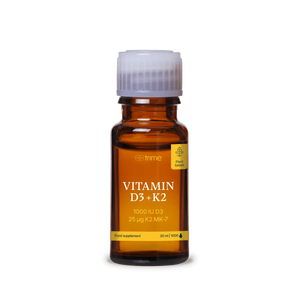
Vitamin D: the "sunshine" vitamin for healthy bones and immunity
Vitamin D is absolutely essential for women in menopause. One of its many functions is regulating calcium and phosphorus metabolism, which is necessary for absorbing calcium from the gut and incorporating it into bones. In addition, vitamin D plays a key role in immune function, mood regulation and maintaining muscle strength, helping to prevent falls and fractures.
Vitamin D deficiency is a serious problem in postmenopausal women. A large European study from 2007 [1] involving more than 8,500 postmenopausal women showed that nearly 80% of the women studied had inadequate vitamin D levels (below 80 nmol/l). In the subgroup of women under 65, the prevalence was even higher, at 86%.
The main source of vitamin D is synthesis in the skin when exposed to UVB rays from the sun. At European latitudes, however, this synthesis is insufficient from October to March. Dietary sources are also rather limited. The best include oily sea fish (salmon, mackerel, sardines, herring) and, to a lesser extent, egg yolks.
Calcium: the cornerstone of healthy bones
Calcium is the most abundant mineral in the human body, and about 99% of it is found in bones and teeth, giving them structure and strength. During menopause, when accelerated bone loss threatens the skeleton, adequate calcium intake becomes absolutely critical for slowing this process and preventing osteoporosis. Calcium is also essential for proper nervous system function, muscle contraction and blood clotting.
Despite its key role, calcium intake among European postmenopausal women is often low. The World Health Organization (WHO) recommends a daily intake of 1300 mg for this group. However, the European study on osteoporotic women mentioned above showed that the average daily intake was only around 930 mg. The study also revealed that nearly 42% of women consumed less than 800 mg of calcium per day, which is the recommendation for adult women before menopause. In all the countries studied, average calcium intake remained below the recommended level.
Magnesium: a mineral for balance of body and mind
Magnesium is a cofactor for more than 300 enzymatic reactions in the body and also plays a crucial role during menopause. It is essential for bone health, as it contributes to the mineralisation of bone tissue, and it is also key for the metabolism and activation of vitamin D. Without enough magnesium, the body cannot use vitamin D effectively. Magnesium also helps regulate blood pressure, supports insulin sensitivity (important for preventing metabolic syndrome), contributes to normal muscle and nerve function, and plays a significant role in regulating mood and supporting good-quality sleep, which can help ease the anxiety and insomnia associated with menopause.
Inadequate magnesium intake is fairly common. Estimates for Europe suggest that insufficient intake affects 10% to 30% of the population. The European Food Safety Authority (EFSA) has set the adequate intake for adult women at 300 mg per day. Many women do not reach this level, partly because of diets rich in processed foods, which are low in magnesium.
B vitamins (B12, B6, folate): energy, mental wellbeing and heart health
B vitamins are essential for a wide range of bodily functions that can be disrupted during menopause by hormonal changes. They are key for energy production and play a crucial role in nervous system function and the synthesis of neurotransmitters such as serotonin and dopamine. These directly influence mood and can help ease feelings of anxiety and depression. From a long-term health perspective, one of their important functions is regulating homocysteine levels. Vitamins B6, B12 and folate (B9) are necessary for breaking down this amino acid. Elevated homocysteine is an independent risk factor for cardiovascular diseases such as heart attack and stroke. Since the risk of these conditions rises after menopause, it makes sense to keep homocysteine levels balanced.
The risk of B vitamin deficiency, especially B12, increases with age. Absorption of B12 from food depends on the presence of intrinsic factor, which is produced in the stomach. In older age, however, atrophic gastritis becomes more common, limiting the production of this factor and leading to reduced vitamin B12 absorption. It is estimated that about 1.6–10% of the European population is vitamin B12 deficient, with the highest risk in women over 60. [2]
Omega-3 fatty acids (EPA and DHA): regulating inflammation and supporting the brain and heart
Omega-3 fatty acids, specifically eicosapentaenoic acid (EPA) and docosahexaenoic acid (DHA), are polyunsaturated fats with anti-inflammatory effects. Their importance during menopause is enormous. Declining estrogen brings an increase in systemic inflammation, which underlies many chronic diseases. Omega-3s act as a natural counterbalance to this process. They are key for cardiovascular health, help lower blood triglyceride levels, reduce blood pressure and support a healthy heart rhythm. Omega-3s are also essential for brain function and may help ease some psychological symptoms of menopause, such as low mood and anxiety.
Although data on omega-3 deficiency in menopausal women are not as well mapped as for vitamin D, it is widely known that the typical Western diet is low in EPA and DHA and, conversely, high in pro-inflammatory omega-6 fatty acids.
Protein: for maintaining muscle mass and strength
Protein is a key macronutrient during menopause. A higher intake is essential for preventing sarcopenia, the accelerated loss of muscle mass and strength caused by ageing and hormonal changes. Preserving muscle mass is vital for maintaining physical strength, stability and mobility. Strong muscles also support the skeletal system and reduce the risk of falls. In addition, protein helps you feel full for longer, which plays an important role in regulating body weight at a time when the body tends to store more fat.
Unfortunately, many women, especially older ones, do not eat enough protein. Experts recommend that older adults, including women in menopause, consume 1.0 to 1.2 grams of protein per kilogram of body weight per day.

Vitamins in peri- and menopause: essential support for women in transition
Menopause places specific demands on the female body. The essential foundation should always be a healthy lifestyle and good nutrition. Well-chosen vitamins for women in menopause can significantly ease unpleasant symptoms and support overall health before a pharmacological solution becomes necessary. Supplements can act as a natural shield at a time when the body is losing the protective influence of hormones. The key ones are vitamins D3 and K2 for bone protection, B vitamins for stabilising the nervous system, and quality magnesium for better sleep.
Which vitamins to include in your daily routine during perimenopause?
As the name suggests, supplementation is meant to complement, not replace, a healthy, high-quality and balanced diet.
Below is a group of supplements that form the core pillar of nutritional support for most women in perimenopause and menopause. These supplements target the most common and clinically significant deficiencies, which have a major impact on long-term health.
Vitamin D3 and K2
From around the age of 30, bone mass gradually declines. The combination of vitamins D3 and K2 helps ensure that calcium absorbed from food is deposited in the bones rather than in the blood vessels. For postmenopausal women, a daily supplement of 120 mcg of vitamin K2 is recommended.
For effective vitamin D supplementation, it is advisable to first determine the serum concentration of 25-hydroxyvitamin D, which allows the individual dose to be set accurately. Although recommendations for the optimal blood concentration of vitamin D may vary, keeping serum 25(OH)D between 100 and 150 nmol/l appears to be beneficial for health. [3]
Magnesium
Magnesium is an essential mineral whose adequate intake is necessary for many enzymatic processes to work properly, yet intake is often insufficient in the population. Supplementing 200–400 mg of elemental magnesium per day can effectively cover the body's increased needs. The preferred form is magnesium bisglycinate, a highly absorbable chelated form that is gentle on the digestive tract. Thanks to its binding with the amino acid glycine, magnesium bisglycinate also has calming effects, which makes it ideal for evening use to support sleep and reduce anxiety.
Omega-3
To ensure a sufficient anti-inflammatory effect and support for the heart and brain, a daily intake of approximately 1000 mg of combined EPA and DHA is recommended. As with vitamin D, it is advisable to personalise omega-3 dosing based on your Omega-3 Index, which expresses the percentage of EPA and DHA in red blood cell membranes. This biomarker provides a reliable picture of the body's long-term omega-3 status and allows for targeted supplementation. Optimal Omega-3 Index values for supporting cardiovascular health, the brain and the regulation of inflammation should be in the range of 8–12%.
To make choosing the right omega-3 supplement easier, we recommend this simple quiz, which will help you pick the optimal product based on your individual needs.
Calcium
Calcium supplementation requires a more careful and personalised approach. The goal is to reach a total daily intake (from food and supplements) of 1200 mg. The first step should be assessing your calcium intake from food. Supplements should then only be used to top up an insufficient dietary intake.
You can learn more about calcium supplementation in episode 43 of our podcast with Jakub Přibyl, nutrition specialist and product developer of Trime supplements.
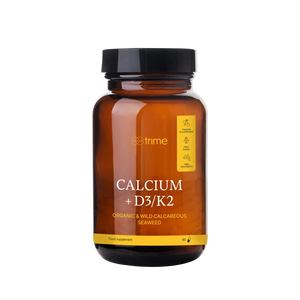
Trime Calcium + D3/K2 is a natural supplement made with organic powder from the calcium-rich marine algae Lithothamnion superpositum. These algae are a naturally rich source of calcium in a highly absorbable form that the body uses efficiently. In addition to calcium, they also contain other key minerals, such as magnesium, which contribute to bone health and are well accepted by the body thanks to their natural form.
Other supplements that can be very beneficial for specific groups of women, depending on their eating habits, age or particular health goals, include a B-complex, collagen peptides and protein powders.
B-complex or vitamin B12
Supplementation is strongly recommended for vegans and vegetarians, who have no natural source of vitamin B12 in their diet. A B-complex or vitamin B12 may also be suitable for women over 60, whose ability to absorb it declines, and for those taking medications that affect stomach acid (e.g. proton pump inhibitors), as these medications interfere with vitamin B12 absorption. A quality B-complex provides balanced support of all B vitamins, which are key during menopause for energy metabolism, nervous system function and mental resilience. When supplementing B vitamins, it is important to choose active (methylated) forms, which ensure absorption even in women with genetic polymorphisms (for example in the MTHFR gene) that can affect the metabolism of these vitamins.

Collagen peptides
Collagen is the most abundant protein in the human body, found in bones, joints, cartilage and skin. Supplementing it can be a valuable complementary strategy for supporting the musculoskeletal system and skin health. A 2018 study [4] involving 131 postmenopausal women showed that a daily intake of 5 grams of collagen peptides for one year led to a significant improvement in bone density compared with placebo.

Protein powders
For many women, it can be difficult to reach the recommended daily protein intake (1.0–1.2 g/kg of body weight) from regular food alone, whether due to reduced appetite, busy schedules or individual dietary preferences. In these cases, quality protein supplements can be a practical and effective way to top up the protein you need. Their advantage is that they are easy to fit into your diet. You can simply add them to a smoothie, yoghurt or porridge and ensure a sufficient protein intake, not only for maintaining muscle mass.
Conclusion
The transition into menopause need not be viewed with fear, but as a call to take active control of your health. Adjusting your diet and topping up critical nutrients through supplementation can help ease unpleasant symptoms and, above all, support long-term health, vitality and quality of life in this new stage of life.
Key takeaways
-
Menopause is a natural stage of a woman's life: It is associated with a decline in estrogen, which affects bone and heart health, metabolism and mental wellbeing.
-
Hormonal changes can bring physical and psychological symptoms: Typical ones include hot flushes, sleep disturbances, mood swings, "brain fog", weight gain and loss of muscle mass. The risk of osteoporosis, cardiovascular disease, anxiety and depression also rises.
-
Diet and targeted supplementation can be an important support: A well-balanced diet and suitable supplements can help ease some menopausal symptoms and support long-term health.
-
Quality whole foods are the foundation: The priority should be adopting healthy eating habits based on minimally processed foods with enough protein, fibre, healthy fats and micronutrients.
-
Vitamins D3, K2 and calcium support bone health: Vitamin D helps with calcium absorption, vitamin K2 supports its proper deposition, and calcium is essential for slowing bone loss.
-
Magnesium and B vitamins support the nervous system: Magnesium contributes to bone health, sleep, mood and the use of vitamin D. Vitamins B6, B12 and folate are involved in energy production, mental wellbeing, memory and heart health.
-
Omega-3 fatty acids support the brain and heart: EPA and DHA have anti-inflammatory effects and are important for the cardiovascular system, the brain and overall metabolic balance.
-
Protein is key for maintaining muscle mass: Adequate protein intake helps protect muscle mass, strength and functional vitality, which can naturally decline during menopause.
Sources:
[1] Bruyère O, Malaise O, Neuprez A, Collette J, Reginster JY. Prevalence of vitamin D inadequacy in European postmenopausal women. Curr Med Res Opin. 2007 Aug;23(8):1939-44. doi: 10.1185/030079907X219562. PMID: 17631697. https://www.tandfonline.com/doi/abs/10.1185/030079907X219562
[2] Azzini, E.; Raguzzini, A.; Polito, A. A Brief Review on Vitamin B12 Deficiency Looking at Some Case Study Reports in Adults. Int. J. Mol. Sci. 2021, 22, 9694. https://doi.org/10.3390/ijms22189694
[3] Charoenngam N, Holick MF. Immunologic Effects of Vitamin D on Human Health and Disease. Nutrients. 2020 Jul 15;12(7):2097. doi: 10.3390/nu12072097. PMID: 32679784; PMCID: PMC7400911. https://www.mdpi.com/2072-6643/12/7/2097
[4] König D, Oesser S, Scharla S, Zdzieblik D, Gollhofer A. Specific Collagen Peptides Improve Bone Mineral Density and Bone Markers in Postmenopausal Women-A Randomized Controlled Study. Nutrients. 2018 Jan 16;10(1):97. doi: 10.3390/nu10010097. PMID: 29337906; PMCID: PMC5793325. https://www.mdpi.com/2072-6643/10/1/97


